
 AU
AU
 UK
UK
 CA
CA
 US
US
 IND
IND

 NZ
NZ

Company Overview:
Steel & Tube Holdings Limited (NZX: STU) is New Zealand's leading provider of steel solutions. Accordant Group Limited (NZX: AGL) is the NZ-based recruitment company engaged in the supply of temporary staff, contractor resources as well as recruitment of permanent staff.
Kalkine’s Sector Report covers the Key Financial Metrics, Risks, Outlook, Technical Analysis along with the Valuation, Target Price, and Recommendation on the stock.
1.Sector Landscape and Outlook
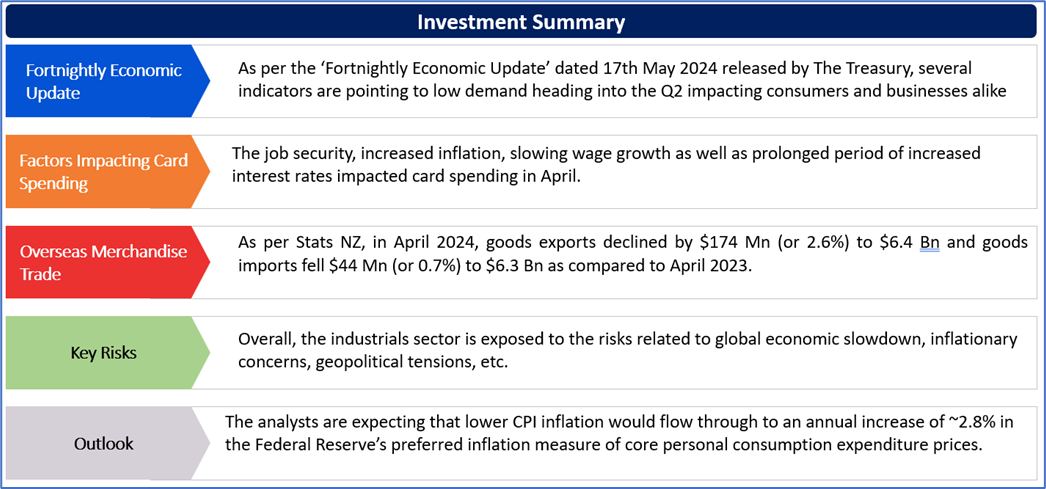
As per the ‘Fortnightly Economic Update’ dated 17th May 2024 released by The Treasury, several indicators are pointing to low demand heading into the Q2 impacting consumers and businesses alike. The Budget consisted personal income tax cuts, alongside expanded subsidies for energy, housing rents as well as medicines. Notably, other government measures included tax incentives in order to help clean energy development. Even though the Budget would be adding to aggregate demand, the subsidy measures are likely to more than offset any sort of inflationary impacts.
As per the release, job security, increased inflation, slowing wage growth as well as prolonged period of increased interest rates impacted card spending in April. Even through consumer prices are witnessing an increase at annual rate of 4%, the nominal spending by consumers on retail goods declined 0.4% in the month on the seasonally adjusted basis.
The new energy and rent subsidies are anticipated to lower inflation by ~0.5 percentage points in 2024/25, which lowers the inflation forecast to 2¾%.
Overseas merchandise trade: April 2024
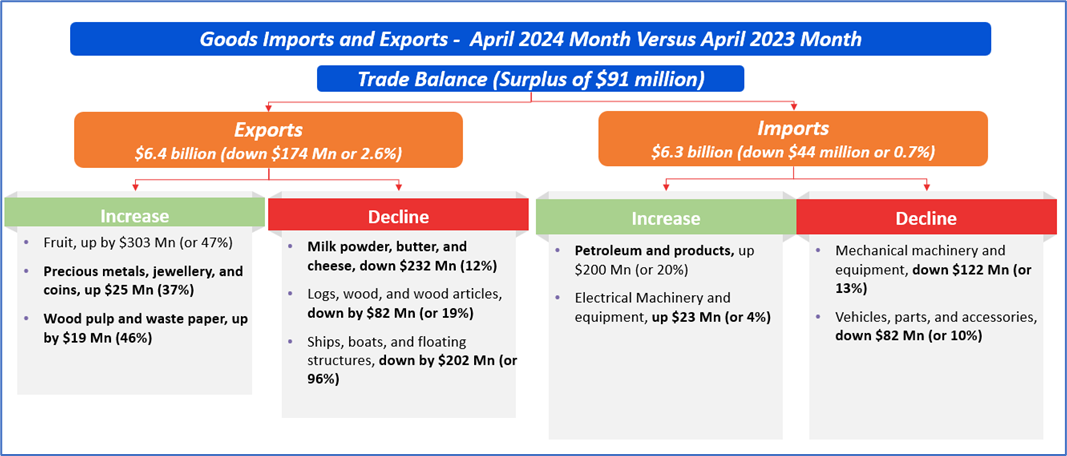
As per Stats NZ, in April 2024, goods exports declined by $174 Mn (or 2.6%) to $6.4 Bn and goods imports fell $44 Mn (or 0.7%) to $6.3 Bn as compared to April 2023. The monthly trade balance was the surplus of $91 Mn. With respect to exports, milk powder, butter, and cheese declined $232 Mn (or 12%) to $1.7 Bn. The infant formula is included in preparations of milk, cereals, flour, and starch, which declined $9.4 Mn (or 4.3%) to $206 Mn.
Offsetting the falls was a rise in fruit, which was up by $303 Mn (or 47%) to $943 Mn. This was led by kiwifruit, which increased $298 Mn (or 65%) to $758 Mn.
Exhibit 1: Goods Imports and Exports - March 2024 Month Versus March 2023 Month
Data Source: This work is based on/includes Stats NZ’s data which are licensed by Stats NZ for reuse under the Creative Commons Attribution 4.0 International Licence; Chart Created by Kalkine Group
Monthly Export Movements- By Country
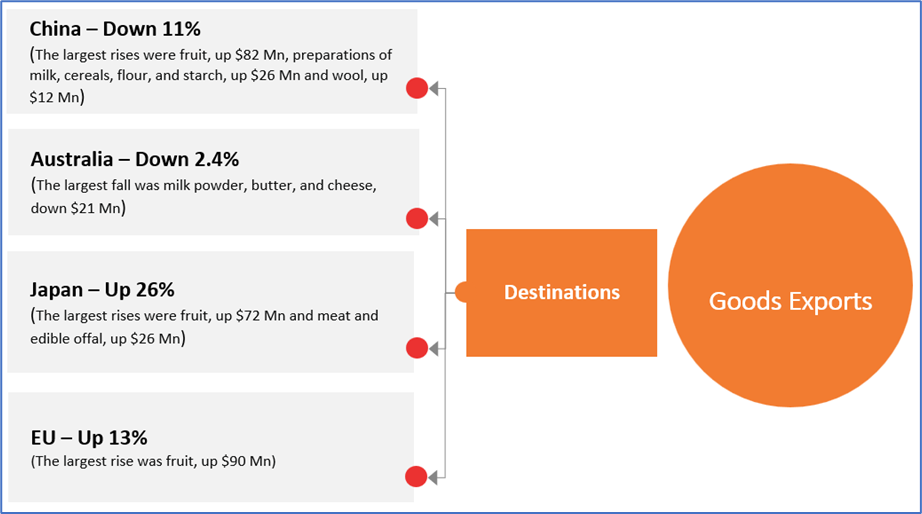
With respect to China, total exports declined $206 Mn (or 11%). The largest rises were witnessed in fruit, up $82 Mn; preparations of milk, cereals, flour, and starch, which were up by $26 Mn and wool, which increased $12 Mn. The largest falls were meat and edible offal, which were down $125 Mn, milk powder, butter, and cheese, which declined $69 Mn as well as logs, wood, and wood articles, which declined $63 Mn.
Coming to Australia, total exports declined $17 Mn (or 2.4%). The largest fall was witnessed in milk powder, butter, and cheese, which were down by $21 Mn. With respect to USA, total exports increased $35 Mn (or 4.9%).
Exhibit: 2 Goods Exports- Destinations
Data Source: This work is based on/includes Stats NZ’s data which are licensed by Stats NZ for reuse under the Creative Commons Attribution 4.0 International Licence; Chart Created by Kalkine Group
Key Risks and Challenges:
As per the recent Fortnightly Economic Update, amid waning consumer demand, the businesses witnessed contracting activity throughout the manufacturing and services sectors in April. The new orders declined from 47.9 to 47.1. Notably, retail trade and hospitality performed particularly poorly because of restrained consumer spending.
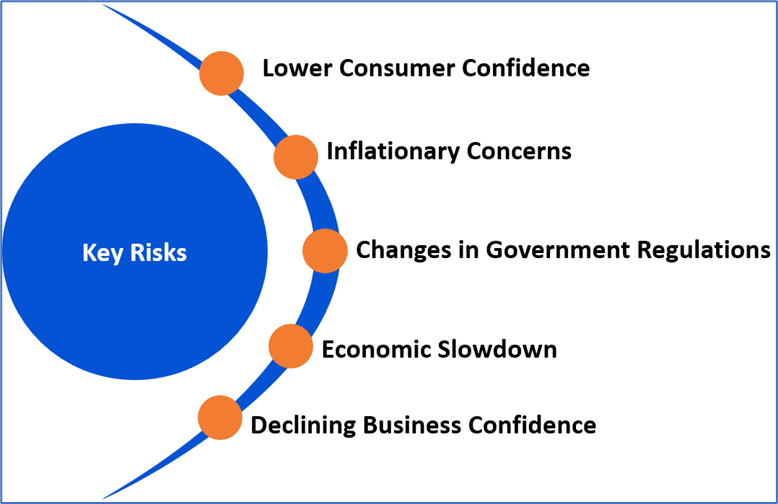
Overall, the industrials sector is exposed to the risks related to global economic slowdown, inflationary concerns, geopolitical tensions, etc. Recently, the Biden administration announced that it would be imposing new/higher tariffs on around US$18 Bn of mostly clean-energy goods imports from China. Notably, the tariffs imposed in 2018-19 would also remain in place.
Exhibit 3. Key Risks in Industrials Sector:
Source: Analysis by Kalkine Group
Outlook:
Following the March quarter deceleration in GDP growth to 1.6% (annualised), the US data showed further signs of slowing activity as well as cooling price pressures, reinvigorated anticipations of monetary policy easing. In the labour market, April’s non-farm payroll report reflected an increase of 175,000 jobs in April, well below the average of 269,000 over the prior 3 months.
Notably, consumer price inflation slowed in April after the period of unexpected strength over the first quarter. The headline consumer price index (or CPI) increased 0.3% in April, down from 0.4% in the prior 2 months, taking the annual rate to 3.4%.
The analysts are expecting that lower CPI inflation would flow through to an annual increase of ~2.8% in the Federal Reserve’s preferred inflation measure of core personal consumption expenditure prices. Even though both the inflation measures are above the US Fed’s 2% target, there has been progress towards the target. Together with other signs of easing price pressure, there was an increase in investor confidence that US Fed would be able to lower interest rates in the upcoming months.
Apart from the sector-specific factors, an analysis on 2 NZX-listed companies is provided. This report covers their insights, outlook, performance and potential as expected to be delivered in the near to medium term.
1 ) Accordant Group Limited (Recommendation: Speculative Buy, Potential Upside: Low Double-Digit) (M-Cap: NZD 14.3 million, Annual Dividend Yield (TTM)1: 19.6%)
Business Description:
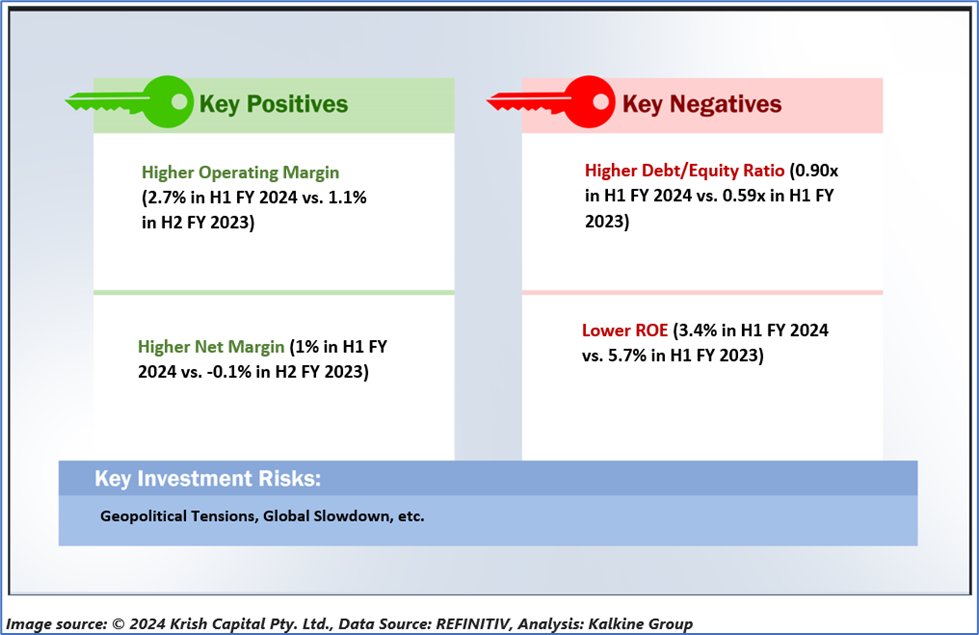
Accordant Group Limited (NZX: AGL) is a New Zealand-based recruitment company engaged in the supply of temporary staff, contractor resources as well as recruitment of permanent staff.
Outlook:
The refocusing of AWF towards the civil and infrastructure sectors paid off with the 7.9% lift in annual revenue. This accelerated to 16% in the final quarter, helping AWF’s strategy of targeting higher-margin work in resilient sectors. Several organisations have paused digital transformation plans as well as tech upgrades. However, Absolute IT is well-placed to capitalise as these are reinstated to solve productivity issues.
While there is a restraint in hiring, NZ would be resuming its growth and Accordant’s breadth of revenue streams places it to deliver upon pent up demand as well as long-term talent needs.
Technical Overview:
Technical Commentary
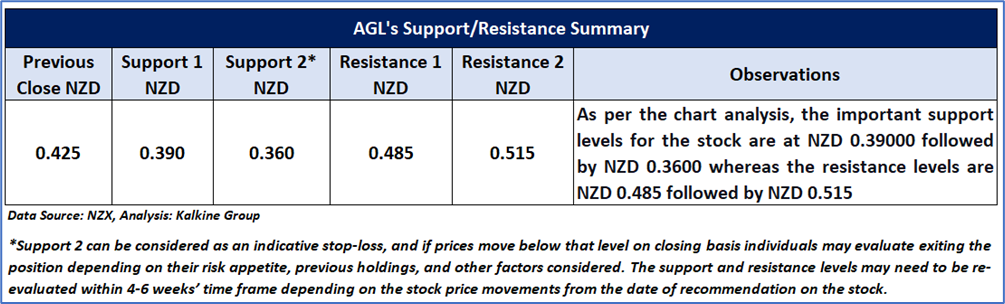
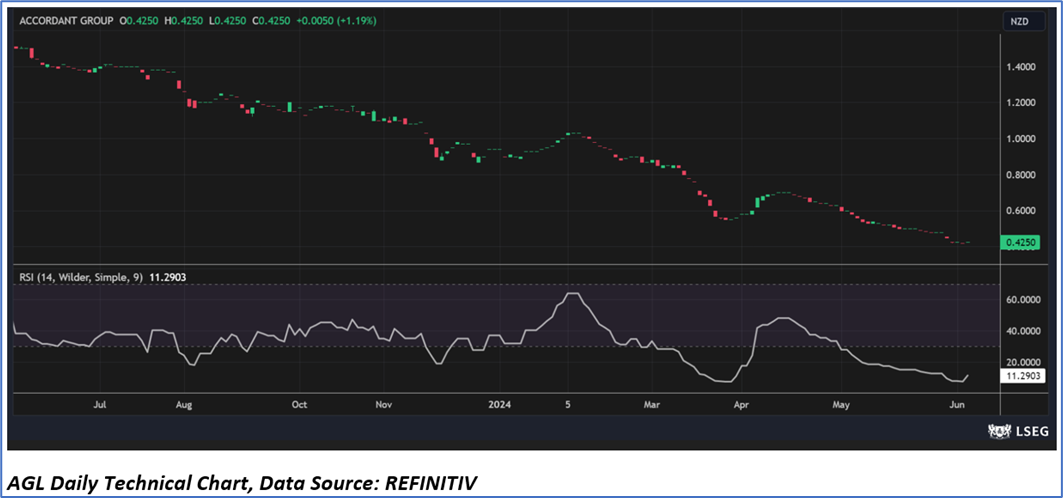
On the daily chart, AGL’s stock prices are undergoing a downtrend, characterized by lower highs and lower lows, indicating a negative bias. In contrast, the momentum oscillator RSI (14-period) is forming a bottom divergence in its oversold region in relation to prices, anticipating for a potential minor rally. Prices are trading below both the trend-following indicators 21-period and 50-period SMAs, which might function as dynamic resistance levels for the stock; in contrast, the stock’s next round level may serve as a sentimental support. A significant support level for the stock is positioned at NZD 0.390, while critical resistance level is located at NZD 0.485.
Stock Recommendation
Considering the aforementioned factors, a ‘Speculative Buy’ rating is given on the stock at the closing market price of NZD 0.425 per share, up by 1.19% as on 6 June 2024
2) Steel & Tube Holdings Limited (Recommendation: Buy, Potential Upside: Low Double-Digit) (M-Cap: NZD 157.3 million, Annual Dividend Yield: 11.82%)
Business Description:
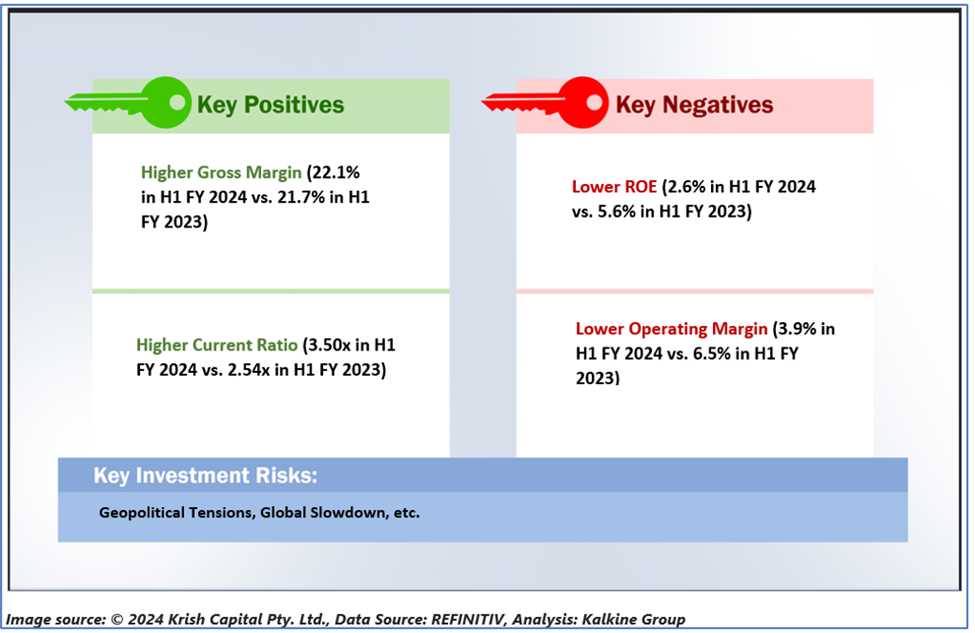
Steel & Tube Holdings Limited (NZX: STU) is a New Zealand-based provider of steel solutions.
Outlook:
STU has acquired 20 owned and leased trucks and 8 owned trailers from Roadex Logistics Limited, a long-term provider of freight delivery services to Steel & Tube. Apart from the positive earnings impact, the company is expecting improvements in service as well as flexibility throughout the group. STU is planning to invest in technology to provide additional benefits for the customers.
With the robust balance sheet and proven dual pathway strategy, STU is well-placed to take advantage of increasing activity as well as demand when the economy recovers.
Technical Overview:
Technical Commentary
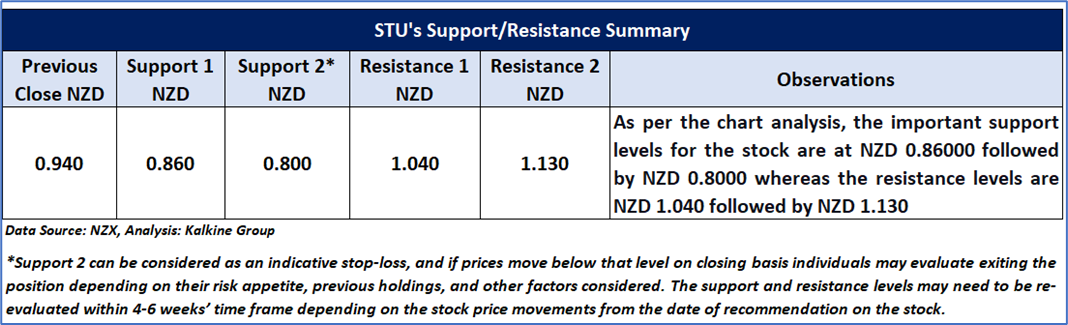
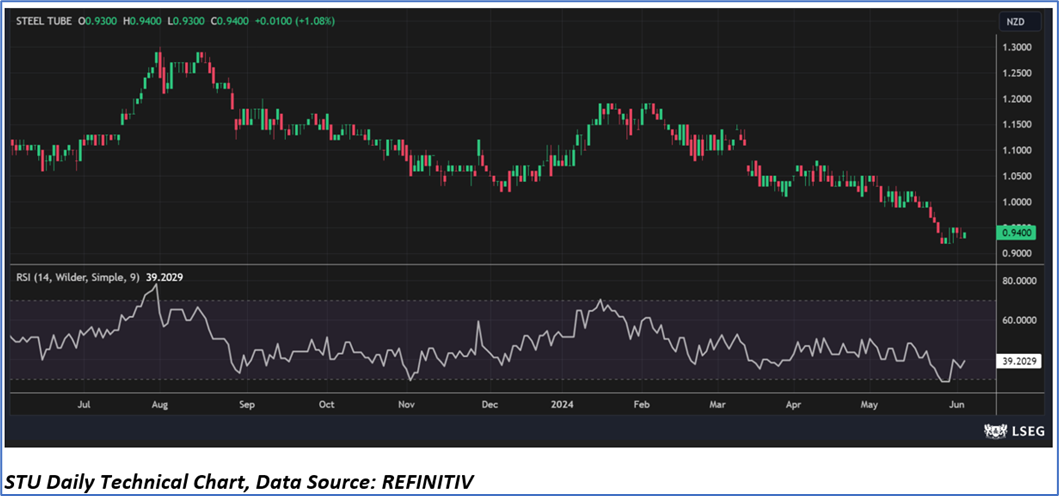
On the daily chart, STU’s stock prices are experiencing a downtrend, characterized by lower highs and lower lows, indicating a negative bias. Moreover, the stock recently broke below a significant support established by its previous trough, suggesting that the downside momentum might continue to remain in place. Prices are trading below both the trend-following indicators 21-period and 50-period SMAs, which might function as dynamic resistance levels for the stock; in contrast, the stock’s next round level may serve as a sentimental support. A significant support level for the stock is positioned at NZD 0.860, while critical resistance level is located at NZD 1.040
Fundamental Valuation
EV/Sales Based Relative Valuation
Stock Recommendation
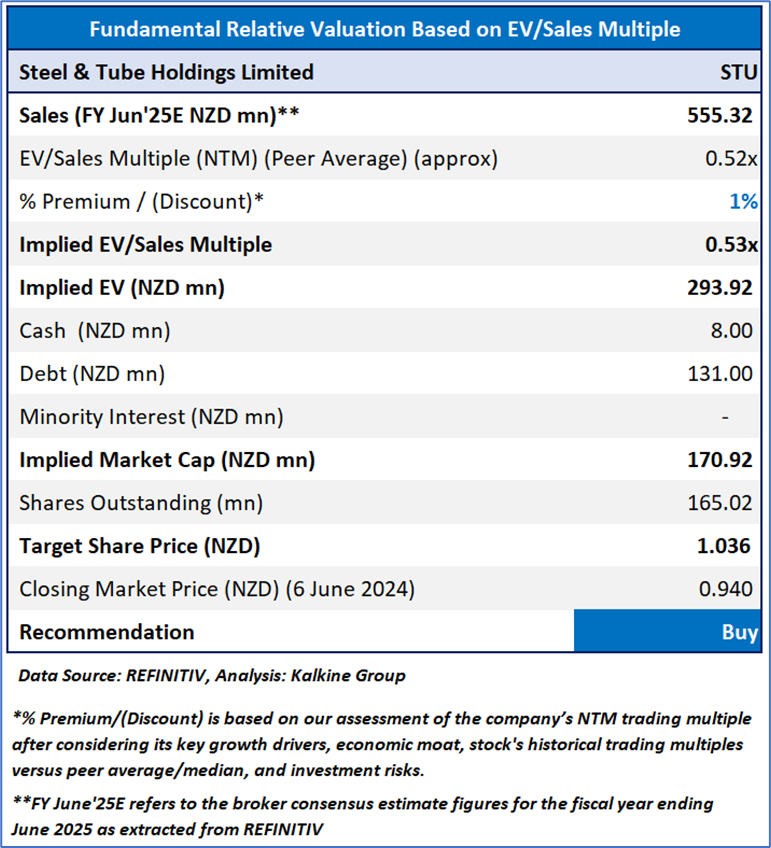
Considering the aforementioned factors, a ‘Buy’ rating is given on the stock at the closing market price of NZD 0.940 per share, up by 1.08% as on 6th June 2024.
Markets are trading in a highly volatile zone currently due to certain macro-economic issues and geopolitical tensions prevailing. Therefore, it is prudent to follow a cautious approach while investing.
Note 1: Past performance is neither an indicator nor a guarantee of future performance.
Note 2: The reference date for all price data, currency, technical indicators, support, and resistance levels is June 6, 2024. The reference data in this report has been partly sourced from REFINITIV.
Note 3: Investment decisions should be made depending on an individual's appetite for upside potential, risks, holding duration, and any previous holdings. An 'Exit' from the stock can be considered if the Target Price mentioned as per the Valuation and or the technical levels provided has been achieved and is subject to the factors discussed above.
Note 4: Annual Dividend Yield is on a Trailing Twelve Month (TTM1) basis and are subject to change based on factors such as company performance, stock price changes, etc.
Technical Indicators Defined: -
Support: A level at which the stock prices tend to find support if they are falling, and a downtrend may take a pause backed by demand or buying interest. Support 1 refers to the nearby support level for the stock and if the price breaches the level, then Support 2 may act as the crucial support level for the stock.
Resistance: A level at which the stock prices tend to find resistance when they are rising, and an uptrend may take a pause due to profit booking or selling interest. Resistance 1 refers to the nearby resistance level for the stock and if the price surpasses the level, then Resistance 2 may act as the crucial resistance level for the stock.
Stop-loss: It is a level to protect further losses in case of unfavourable movement in the stock prices.
Disclaimer This report has been issued by Kalkine New Zealand Limited (FSP691351) (NZBN:9429047678101) (“Kalkine”). Kalkine is a Financial Advice Provider (“FAP”) and is authorised by a Class 1 Financial Advice Provider Licence issued by Financial Markets Authority (“FMA”) to provide financial advice. Kalkine provides only general financial advice through its research reports following a person becoming a member. The reports contain buy/sell/hold and other recommendations in relation to equity securities, managed funds and other managed investment schemes and other financial advice products. The recommendations and opinions in this report and on Kalkine website do not take into account any of your investment objectives, financial situation or needs. Before you make a decision about whether to acquire a financial product, you should obtain the Product Disclosure Statement from the product issuer. You should consider the appropriateness of advice taking into account your own objectives, financial situation and needs and seek independent financial advice before making any financial decisions. If you act on the advice in the research reports, you may have to pay fees, expenses or other amounts (but not to Kalkine). Further information about the complaints and dispute resolution process, as well as information about Kalkine’s duties are available on Kalkine’s website. Please read our Financial Advice Provider (FAP) disclosure statement and Complaints Handling Guide, which are available on the website.
Past performance is not a reliable indicator of future performance.
 Please wait processing your request...