
 AU
AU
 UK
UK
 CA
CA
 US
US
 IND
IND

 NZ
NZ

Company Overview:
Vector Limited (NZX: VCT) is an innovative NZ energy and digital solutions company. Contact Energy Limited (NZX: CEN) is an NZ-based energy generator and retailer. The segments include Wholesale and Retail.
Kalkine’s Sector Report covers the Investment Highlights, Key Financial Metrics, Risks, Outlook, Technical Analysis along with the Valuation, Target Price, and Recommendation on the stock.
1. Sector Landscape and Outlook
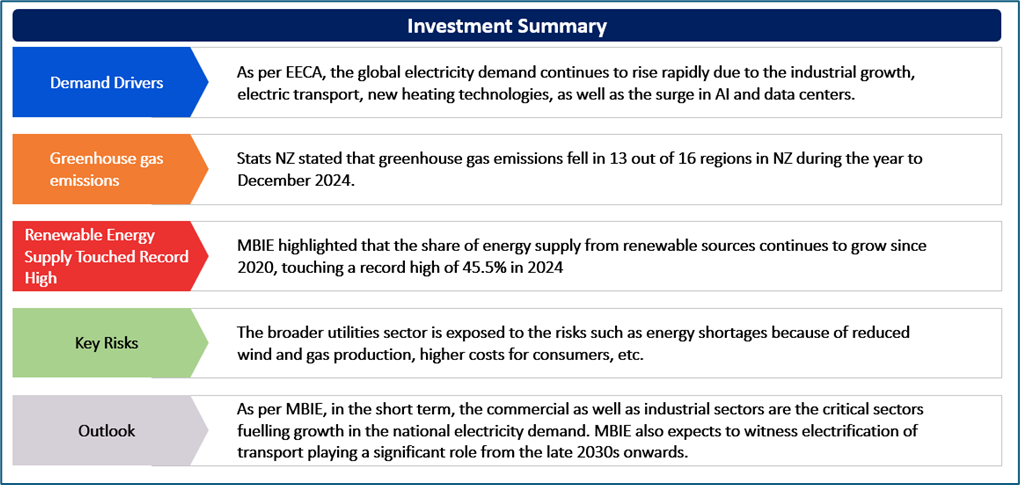
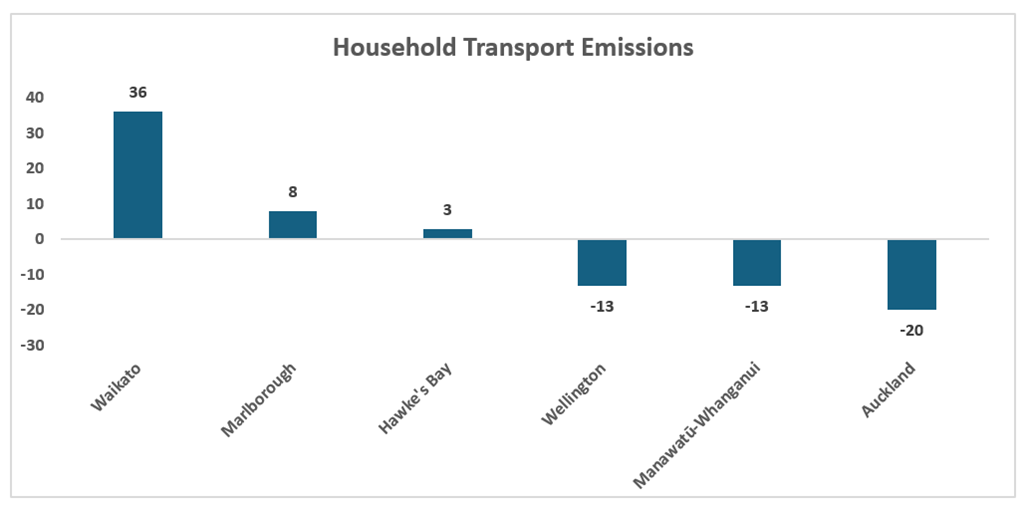
As per EECA, the global electricity demand continues to rise rapidly due to the industrial growth, electric transport, new heating technologies, as well as the surge in AI and data centers. This acceleration presents challenges, but it also provides insights on the importance of energy efficiency. The recent launch of the UAE’s Global Energy Efficiency Alliance demonstrates increased international commitment to the co-ordinated efforts. And NZ joined global commitment to collectively double the energy efficiency improvements by the year 2030. On August 21, Stats NZ stated that greenhouse gas emissions fell in 13 out of 16 regions in NZ during the year to December 2024.
As per the release, Taranaki witnessed the largest decline in total greenhouse gas emissions between 2023 and 2024. The 12% decline in emissions in Taranaki region was mainly because of the reduced production in the manufacturing industries due to the natural gas shortage during 2024.
Exhibit 1: Change in Household Transport Emissions (kilotonnes CO₂-e), By region, 2023–2024
Data Source: This work is based on/includes Stats NZ’s data which are licensed by Stats NZ for reuse under the Creative Commons Attribution 4.0 International Licence; Chart Created by Kalkine Group
NZ’s Renewable Energy Supply Touched Record High
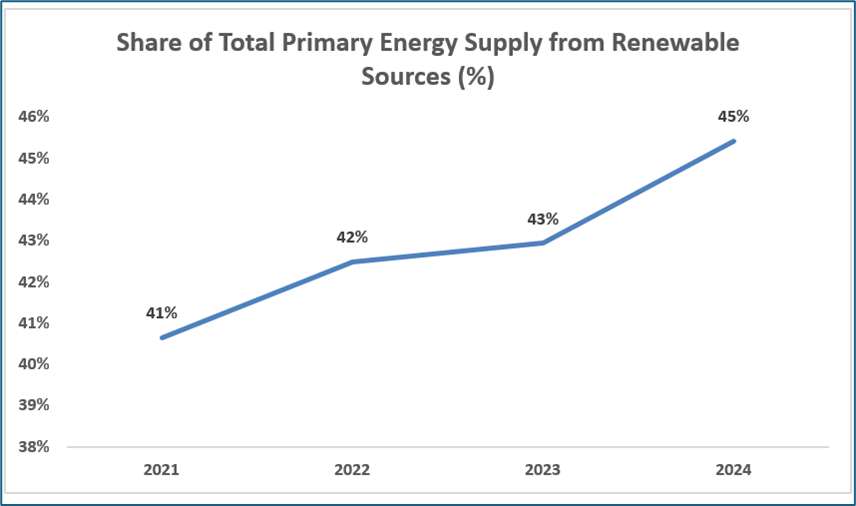
MBIE highlighted that the share of energy supply from renewable sources continues to grow since 2020, touching a record high of 45.5% in 2024 with robust growth in geothermal, solar as well as wind energy. Despite the lower hydro inflows and falling gas production, 85.5% of electricity was generated from renewable sources, helped by the new capacity additions. Notably, the energy consumption witnessed a slight fall, down 2.1%, mainly because of reduced industrial demand. Furthermore, aviation fuel use recovered, touching 90% of the pre-COVID levels. In FY 2024, the renewable generation capacity rose by 556 MW in 2024, reflecting a rise of 17% or 1262 MW from 2020
Renewable Resources in NZ Energy Supply
MBIE stated that a large amount of NZ’s total primary energy supply (TPES) comes from renewable resources. Notably, hydro, geothermal, wind as well as bioenergy are utilised to produce electricity in NZ. New Zealand is rich in geothermal resources due to many volcanic areas, and faults and tectonic features. The geothermal energy is the fuel type which has the largest contribution to the TPES, but electricity generated from geothermal energy is a much lower proportion. As per Energy in New Zealand 2025 report, in 2024, NZ’s renewable energy supply rose on 2023 levels, with robust growth in geothermal, solar, and wind energy.
Exhibit 2: Share of Total Primary Energy Supply from Renewable Sources
Data Source: This work is owned by the Ministry of Business, Innovation and Employment on behalf of the Crown which are licensed for reuse under the Creative Commons Attribution 4.0 International Licence; Chart Created by Kalkine Group
Key Risks and Challenges:
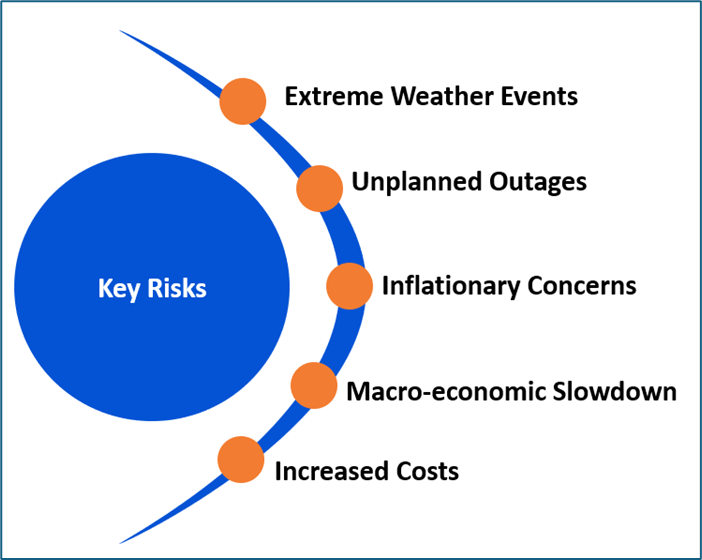
As per RBNZ, the near-term inflation expectations have witnessed an increase, mainly for households. The household inflation expectations have increased throughout numerous advanced economies and could be influenced by global factors like higher trade restrictions, and relatively large increases in some prices like food and energy. Overall, the broader utilities sector is exposed to the risks such as energy shortages because of reduced wind and gas production, higher costs for consumers, etc.
Exhibit 3. Key Risks in Utilities Sector:
Source: - Analysis: Kalkine Group
Outlook:
As per MBIE, in the short term, the commercial as well as industrial sectors are the critical sectors fuelling growth in the national electricity demand. MBIE also expects to witness electrification of transport playing a significant role from the late 2030s onwards. By 2050, around half of all the energy demand is expected to be met by electricity, added MBIE. As per Energy in New Zealand 2025, in 2024, despite the rise in energy demand in the residential as well as agriculture, forestry, and fishing sectors, the national energy demand witnessed a fall because of lower industrial energy demand.
As per International Energy Agency (IEA), the global power demand is anticipated to increase much faster over the 2025‑2026 period than it did during the previous decade. Despite the slowdown in economic activity, which impacted the global electricity use in 2025, heatwaves are adding to the demand in many regions. IEA highlighted that the increased demand from industry, appliances, increased air conditioning use, data centres’ expansion, as well as ongoing electrification would act as the critical drivers of robust global electricity demand growth through 2026.
from the sector-specific factors, an analysis on 2 NZX-listed companies is provided. This report covers their insights, outlook, performance and potential as expected to be delivered in the near to medium term.
1) Vector Limited (NZX: VCT) (Recommendation: Hold, Potential Upside: Low Double-Digit) (M-Cap: NZD 4.65 Bn, Annual Dividend Yield: ~5.75%)
Business Description:
Vector Limited (NZX: VCT) is a NZ-based energy and digital solutions company, which runs a portfolio of businesses delivering energy, technology and communication services.
Outlook:
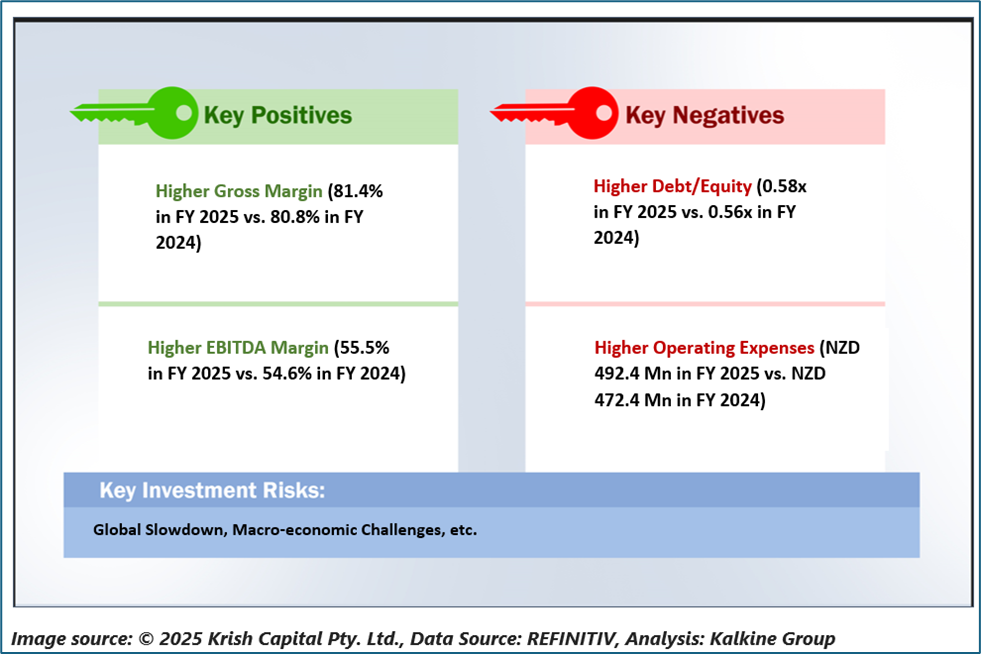
For FY 2026, VCT is expecting adjusted EBITDA in the range of $470 Mn - $490 Mn, and gross Capex of between $520 Mn - $590 Mn. Also, the company is expecting capital contributions of between $180 Mn – $230 Mn. The board determined an unimputed final dividend of 13 cps, resulting in the full year dividend to 25 cps.
Technical Overview:
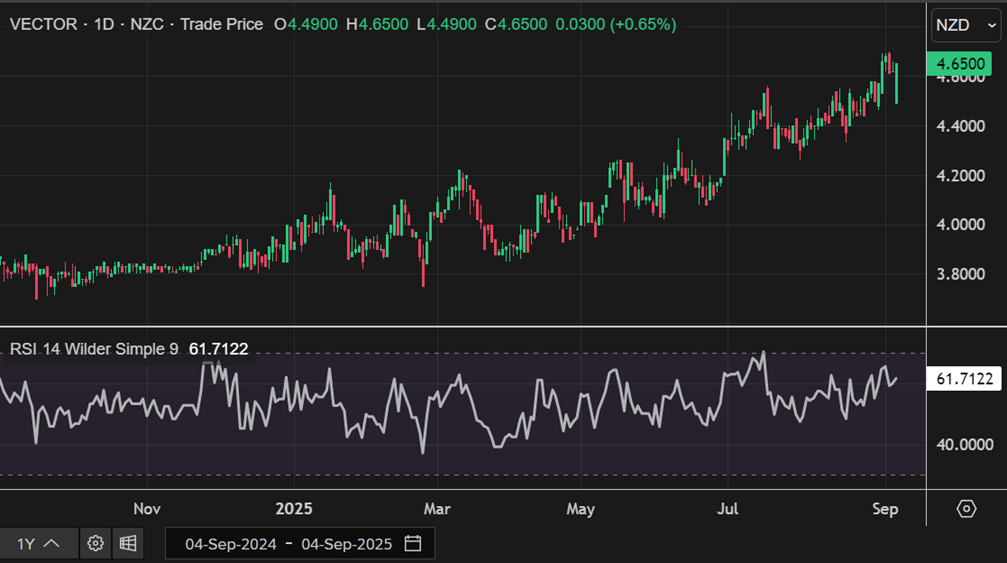
VCT Daily Technical Chart, Data Source: REFINITIV
Technical Commentary:
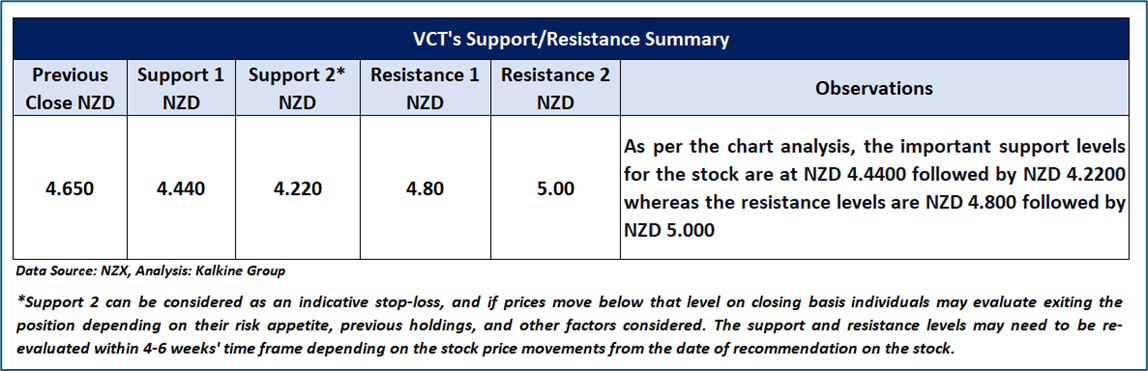
On the daily chart, VCT’s stock price is undergoing an uptrend characterized by higher highs and higher lows, indicating a positive bias. Moreover, the momentum oscillator RSI (14-period) is heading north from its midpoint, providing further support to the previous observation. Prices are trading between its previous peak and trough, which might function as a resistance and support levels for the stock, respectively. A significant support level for the stock is located at NZD 4.44, while critical resistance level is placed at NZD 4.80.
Fundamental Valuation
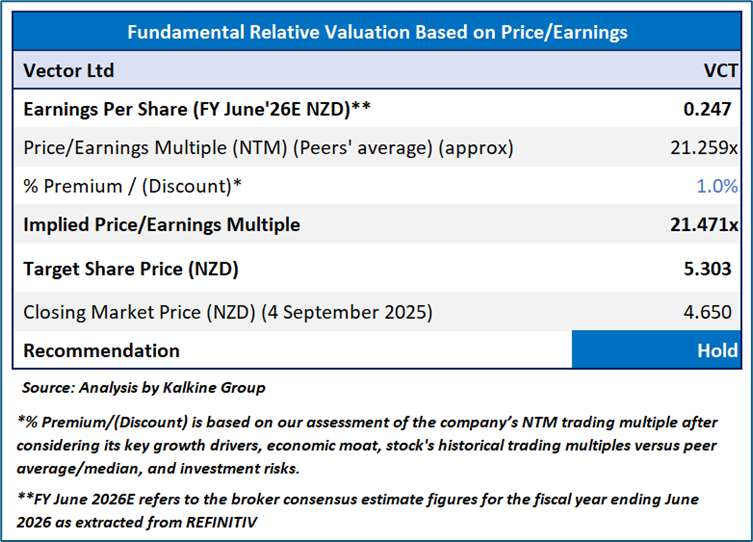
P/E Based Relative Valuation
Stock Recommendation
Considering the facts above, a ‘Hold’ recommendation on the stock has been provided at the closing market price of NZD 4.65 per share as on 4 September 2025.
2) Contact Energy Limited (Recommendation: Hold, Potential Upside: Low Double-Digit) (M-Cap: NZD 9.01 Bn, Annual Dividend Yield: 5.41%)
Business Description:
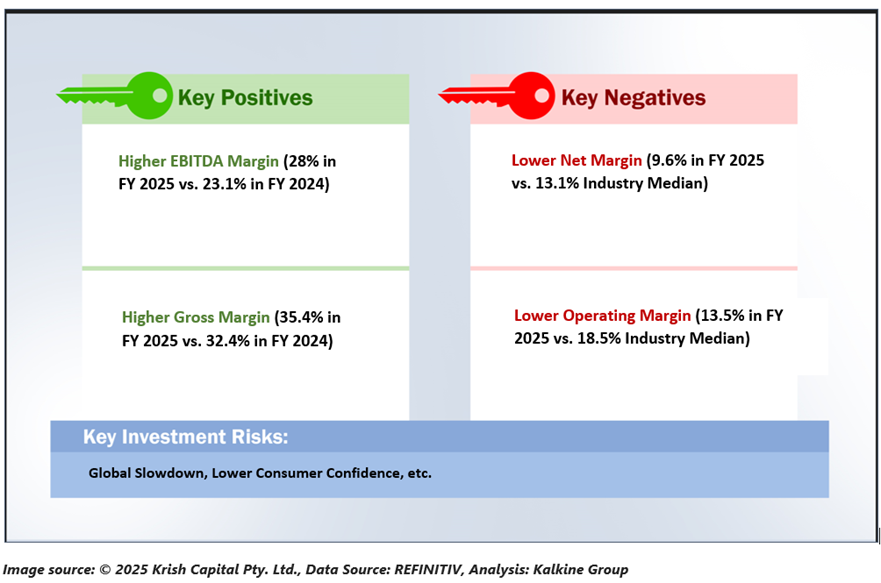
Contact Energy Limited (NZX: CEN) is an NZ-based energy generator and retailer. The segments include Wholesale and Retail.
Outlook:
Moving forward, the next 12 months will witness CEN delivering the effective integration of the Manawa business as well as bringing 2 new renewable energy projects online. Both the grid- scale battery at Glenbrook as well as the Kōwhai Park solar farm are projected online in H2 FY 2026.
Technical Overview:
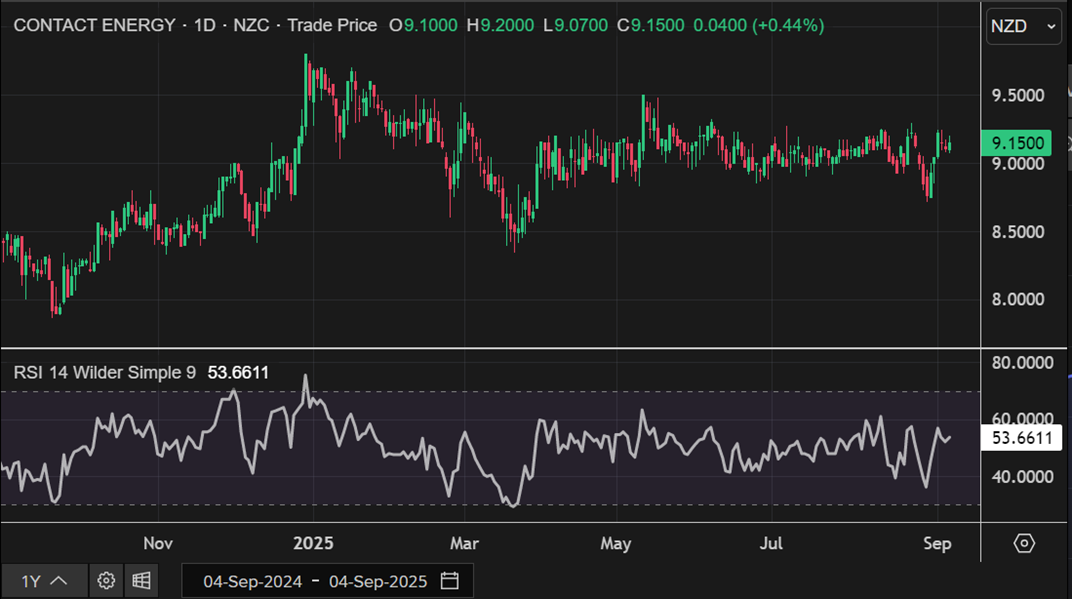
CEN Daily Technical Chart, Data Source: REFINITIV
Technical Commentary
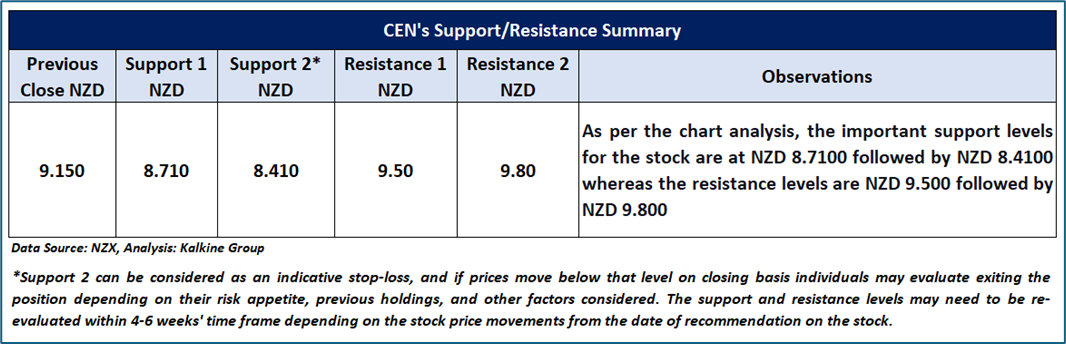
On the daily chart, CEN’s stock price is forming a trading range characterized by a symmetrical triangle pattern, suggesting that the current sideways period in the stock might continue to persist in the near future. Moreover, the momentum oscillator RSI (14-period) is hovering around its midpoint, providing further support to the previous observation. Prices are trading between its previous peak and trough, which might function as resistance and support levels for the stock, respectively. A significant support level for the stock is positioned at NZD 8.71, while critical resistance level is located at NZD 9.50.
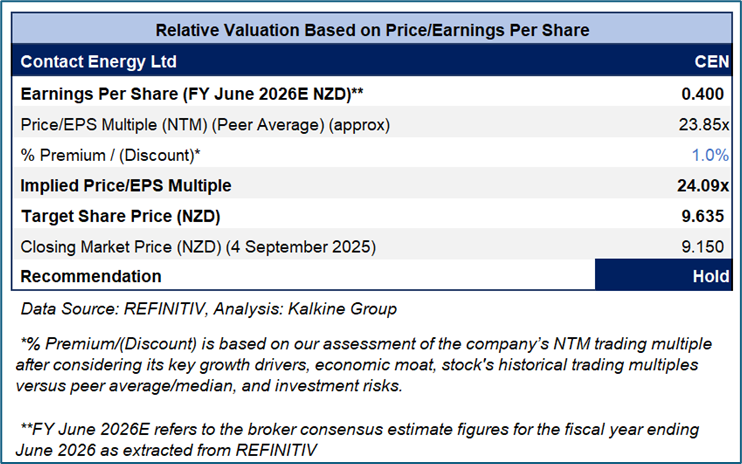
P/E Based Relative Valuation
Stock Recommendation
Considering the aforementioned factors, a “Hold” rating is given on the stock at the closing market price of NZD 9.15 per share as on 4 September 2025.
Markets are trading in a highly volatile zone currently due to certain macro-economic issues and geopolitical tensions prevailing. Therefore, it is prudent to follow a cautious approach while investing.
Note 1: Past performance is neither an indicator nor a guarantee of future performance.
Note 2: The reference date for all price data, currency, technical indicators, support, and resistance levels is 4 September 2025. The reference data in this report has been partly sourced from REFINITIV.
Note 3: Investment decisions should be made depending on an individual's appetite for upside potential, risks, holding duration, and any previous holdings. An 'Exit' from the stock can be considered if the Target Price mentioned as per the Valuation and or the technical levels provided has been achieved and is subject to the factors discussed above.
Note 4: Kalkine reports are prepared based on the stock prices captured either from REFINITIV or Trading View. Typically, REFINITIV or Trading View may reflect stock prices with a delay which could be a lag of 25-30 minutes. There can be no assurance that future results or events will be consistent with the information provided in the report. The information is subject to change without any prior notice.
Technical Indicators Defined: -
Support: A level at which the stock prices tend to find support if they are falling, and a downtrend may take a pause backed by demand or buying interest. Support 1 refers to the nearby support level for the stock and if the price breaches the level, then Support 2 may act as the crucial support level for the stock.
Resistance: A level at which the stock prices tend to find resistance when they are rising, and an uptrend may take a pause due to profit booking or selling interest. Resistance 1 refers to the nearby resistance level for the stock and if the price surpasses the level, then Resistance 2 may act as the crucial resistance level for the stock.
Stop-loss: It is a level to protect further losses in case of unfavourable movement in the stock prices.
Disclaimer This report has been issued by Kalkine New Zealand Limited (FSP691351) (NZBN:9429047678101) (“Kalkine”). Kalkine is a Financial Advice Provider (“FAP”) and is authorised by a Class 1 Financial Advice Provider Licence issued by Financial Markets Authority (“FMA”) to provide financial advice. Kalkine provides only general financial advice through its research reports following a person becoming a member. The reports contain buy/sell/hold and other recommendations in relation to equity securities, managed funds and other managed investment schemes and other financial advice products. The recommendations and opinions in this report and on Kalkine website do not take into account any of your investment objectives, financial situation or needs. Before you make a decision about whether to acquire a financial product, you should obtain the Product Disclosure Statement from the product issuer. You should consider the appropriateness of advice taking into account your own objectives, financial situation and needs and seek independent financial advice before making any financial decisions. If you act on the advice in the research reports, you may have to pay fees, expenses or other amounts (but not to Kalkine). Further information about the complaints and dispute resolution process, as well as information about Kalkine’s duties are available on Kalkine’s website. Please read our Financial Advice Provider (FAP) disclosure statement and Complaints Handling Guide, which are available on the website.
Past performance is not a reliable indicator of future performance.
 Please wait processing your request...